



Electric Bike Maintenance Checklist: A Complete Guide for Australians
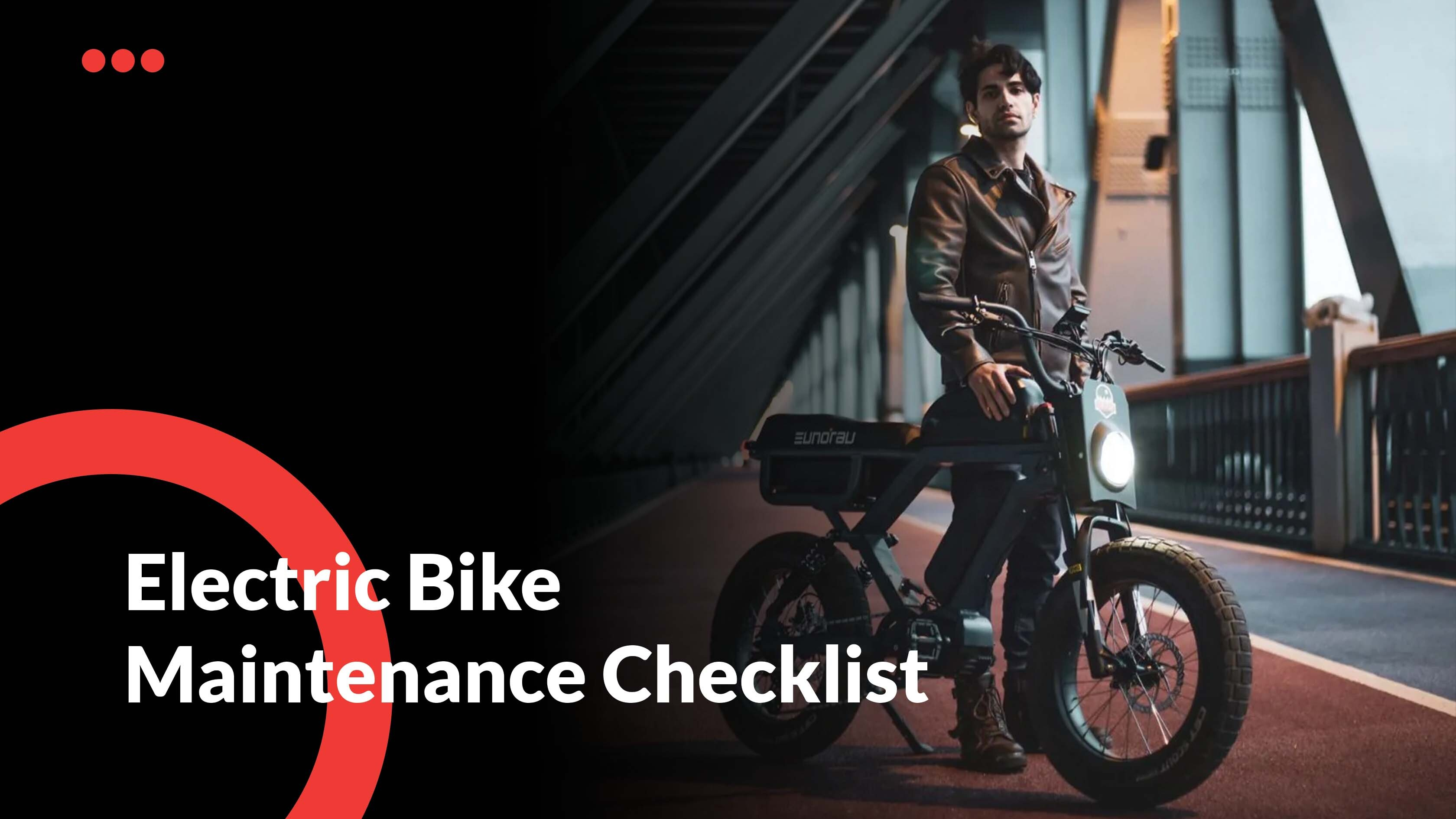
A lot of people think e-bike care means a quick wash and that is it, but it's not. Proper electric bike maintenance is about keeping the bike clean, keeping friction low, protecting the battery, and spotting small wear before it turns into a big repair bill.
Why E-Bikes Need More Care Than Normal Bikes
An e-bike is heavier. More weight means more force on tyres, brakes and wheels. The motor also adds torque. That extra force goes through the chain, cassette, hub or belt. If those parts are dirty or dry, friction goes up and wear speeds up. Chain cleaning and lubrication reduce friction and help the drivetrain run more efficiently.
E-bike Battery Maintenance
Lithium-ion batteries are common in e-bikes because they pack a lot of energy into a small size, but they can be highly flammable if damaged, stored badly or charged the wrong way.
The ACCC says reported lithium-ion battery incidents, including swelling, overheating and fires, rose by 92% in 2022 compared with 2020.
The battery likes three things most: cool temperatures, correct charging, and no abuse. Store it in a cool, dry place and out of direct sunlight. Let it cool after riding before charging.
For longer storage, keep it around 30% to 60% charge instead of full or empty. Also, stop using it if you notice swelling, leaking, overheating, or venting gas. Those are failure signs, not small warning signs.
Avoid deep discharge. Try not to let your battery drop to 0%. Store the battery at around 30-60% charge. Aim to recharge when it’s around 20-30%. This helps protect the battery’s lifespan. The battery's BMS (Battery Management System) will stop charging once it's full, but it's still a good habit to unplug when it hits 80% on regular days.
Always use the manufacturer-approved charger for your e-bike. Avoid using cheap, unbranded chargers, as they may not regulate voltage properly. A dirty charging port can cause a poor connection or even short circuits, so it’s important to clean it regularly with a dry cloth.
Charging continuously for hours after it reaches 100% can generate unnecessary heat and reduce the overall lifespan of your battery. So do not charge overnight. While many e-bikes have weather-resistant batteries, it’s still a good idea to avoid prolonged exposure to moisture. Moisture can cause rust or short circuits inside the battery, which will drastically reduce its life.
Electric Bike Chain Lubrication
A quick wash only removes surface dirt. It does not remove old grime packed into the chain, cassette, jockey wheels or other moving parts. Sometimes the drivetrain needs a real degreasing and then fresh lubrication.
A dry lube is usually less messy and suits dry conditions, but it needs more frequent reapplication. Wet lube sticks better in rain and muck, and often runs more quietly, but it also attracts more dirt and needs more cleaning. That gives you a very simple rule. Dry lube for dry weather. Wet lube for wet weather.
Here is the easy method. Wipe the chain. Add a small drop of lube to each roller. Spin the pedals backwards. Wait a few minutes. Then wipe off the extra. The aim is to lube inside the chain links, not all over the outside. That helps the drivetrain stay cleaner and protects your brakes from oil contamination.
Chain Drive
Most bikes are still chain drive. A chain drive needs the most hands-on care. You need to clean it, degrease it when it gets black and sticky, then re-lube it. Clean the chain regularly with an appropriate chain cleaner or neutral detergent, then lubricate it. That helps extend the life of the chain and matching parts.
Belt Drive
A belt drive is different. Do not oil it. Do not grease it. A correct belt tension is essential. Too little tension can cause skipping. Too much tension can damage bearings and increase wear. Belt systems are also low-maintenance and easy to clean with water.
Shaft Drive
If your bike has a rare shaft-drive or another enclosed drivetrain, do not treat it like a chain. Do not spray oil into it. Keep the outside clean, watch for grinding, leaks or play, and follow the brand’s service guide. Enclosed drive systems are usually built to be lower-maintenance and more dealer-serviced than open chain systems.
E-Bike Motor Care Tips
Simple tweaks for your e-bike motor care are:
-
Keep the motor shell clean.
-
Avoid pressure washing.
-
Watch the wiring.
-
Listen for new noises.
-
If the bike starts cutting in and out, get a proper diagnostic check.
The trained dealers use diagnostics and software tools for faults, and Australian workshops often list separate electrical diagnostics because these problems need testing, not guessing.
Front hub motor
On a front hub motor, pay extra attention to the cable and connector near the fork area. That is the steering end of the bike, so it gets more movement.
Rear hub motor
On a rear hub motor, keep a close eye on the cable near the dropout and rear wheel area, because that part carries both drive force and road shock.
In both cases, never blast the hub or connector area with high-pressure water.
E-Bike Suspension Maintenance
If your bike has no suspension, life is simple. Your comfort and control come mostly from tyre pressure, tyre size and saddle setup. That means tyre checks matter even more.
Front Suspension
If your bike has front suspension only, keep the fork stanchions clean. Sometimes dirt builds up between the fork stanchions and lowers, and that dirt can wear fork seals. Grease on fork stanchions should be wiped away, and new grease may be needed at around 50 hours of use or sooner.
Front & Rear Suspension
If your bike has full suspension, do the same for the rear shock and keep an eye on the pivots and play. Suspension should also be set to rider weight and riding style. One manual explains that proper sag setup matters because it stops the suspension from being too hard or too soft.
E-Bike Brake Maintenance
Your brakes are not the place to be lazy. A quick check is easy. Spin the wheel. Listen for rubbing. Pull the levers. If the lever comes too close to the bar, the braking feels weak, or you hear grinding, get it looked at.
Keep oil and grease away from the rotor and pads, too. Oil or grease on the brake rotor and pads can stop the brakes from working properly. So be careful when doing electric bike chain lubrication.
Disc brakes
Some e-bikes have disc brakes. Some still use rim brakes. Disc brakes need pad and rotor checks. Replace pads when the friction material reaches 0.5 mm. It also says stop using a disc rotor if it is cracked, deformed or worn to 1.5 mm or less.
Rim Brakes
Rim brakes need a different check. You look at the pad grooves and pad alignment on the rim. Shimano says brake shoes should be replaced when the grooves are worn away. That is a simple visual check most riders can do at home.
Regen Braking
If your bike has regenerative braking, it can help reduce brake pad wear because part of the braking force comes from the motor. But regen is not a full replacement for normal brakes. You still need regular e-bike brake maintenance because friction brakes are still your main safety system in hard stops.
E-Bike Gear Maintenance
If your bike has 7, 8 or 16 gears, the basics stay the same. Shift while pedalling. Keep the chain and cogs clean. Replace worn parts before they chew up the rest of the drivetrain. Giant’s owner information says derailleur systems shift properly only when the chain is moving forward and under some tension.
E-Bike Frame Maintenance
If you see a dent, chip or scratch, do not ignore it. Even if the bike has an alloy frame, it still needs care. Alloy does not rust like steel, but damaged paint and trapped moisture can still lead to corrosion and surface damage over time, especially around joints, chips, salt, and mixed-metal contact points. So if you spot a paint chip, clean it and touch it up early. Always keep an eye on dents or cracks and get them checked if they look serious.
A Pressure Wash is Not Enough
Mud gone does not mean maintenance done. Washing removes dirt from the outside. It does not remove old grease, black paste or abrasive grime from the drivetrain. Shimano says built-up gunk on the chain, cassette, chainring and pulley wheels makes components wear out faster if it is not cleaned routinely.
EBike Maintenance Cost
A rough electric bike maintenance cost in Australia is easy to understand if you split it into small jobs, normal services, and bigger repair work. A basic safety check or simple service is often around A$100 to A$150.
A more complete electric bike service is often around A$170 to A$300. If the bike needs electrical fault finding, motor checks, brake work, wheel repairs, or several parts, the total can go much higher because labour and parts stack up fast.
For parts, brake pads are usually one of the cheaper wear items. Tyres, chains, cassettes, rotors and suspension servicing usually cost more. Batteries are by far the highest cost if one ever needs replacement, which is why good e-bike battery maintenance matters so much.
Small routine care at home is usually much cheaper than waiting for a full repair.
Final Verdict & E-Bike Maintenance Checklist Riders Actually Follow
Before every ride:
-
Check tyre pressure by hand, then properly with a gauge if it feels soft. The correct range is on the tyre sidewall.
-
Squeeze both brakes. Make sure they bite early and feel even.
-
Check that the battery is locked in and the charge port cover is shut.
-
Turn on the lights, rear light, indicators and display if your bike has them.
-
Roll the bike a few steps and listen for rubbing, clicking or chain noise.
-
Check the tyres for cuts, nails and glass.
-
Check the frame and fork quickly for dents, cracks or paint damage.
Every week:
-
Wash with low-pressure water only. Never pressure wash the motor, battery, hubs, pivots or connectors.
-
Clean and dry the chain drive, then re-lube if it looks dry or sounds rough. Use dry lube in dry weather and wet lube in wet weather.
-
If it is a belt drive, do not oil it. Just clean it and keep the tension right.
-
Check brake pad wear and rotor rub. Replace pads early, not late. Shimano says pads at 0.5 mm or less need replacing, and rotors at 1.5 mm or less are worn out.
-
Wipe fork stanchions or rear shock shafts clean if the bike has suspension. Dirt there can wear seals faster.
Every few months:
-
Check gear shifting under load. If it skips, drags, or struggles between gears, service it.
-
Check spoke tension, wheel straightness, bolts and connectors.
-
If you ride a Shimano internal 7 or 8-speed hub, remember it needs periodic internal maintenance too. Shimano guidance mentions internal lubrication or greasing at intervals such as about every 2 years or 5,000 km for some hubs, and more often for frequent or harsh use.
-
Book a proper service before a small issue turns into a big one.
So your checklist needs to cover both the cycle parts and the electrical parts. You do not need to be a mechanic to stay on top of the basics.
If you buy from E-Ozzie, use the free service for 6 months as much as you can. Ride the bike in normal daily use. Test it on smooth roads, rough roads, hills, stop-start traffic, and longer weekend rides. That is the best way to find small issues early. Then get the bike checked and serviced at E-Ozzie while that period is still active. E-Ozzie has certified mechanics, authorised parts and proper support for batteries, repairs and servicing.


Leave a comment