



What to Expect from a Humanoid Robot School Visit
Summary
Are you planning a humanoid robot school visit for your students? This guide covers exactly what to expect. You will learn how modern robots interact with students. You will also see how these visits support robotics education and modern learning. Discover the practical benefits of bringing AI directly into the Australian classroom.
What to Expect from a Humanoid Robot School Visit: A Fun AI & STEM Experience for Students
Why Bring a Humanoid Robot to Your Classroom?
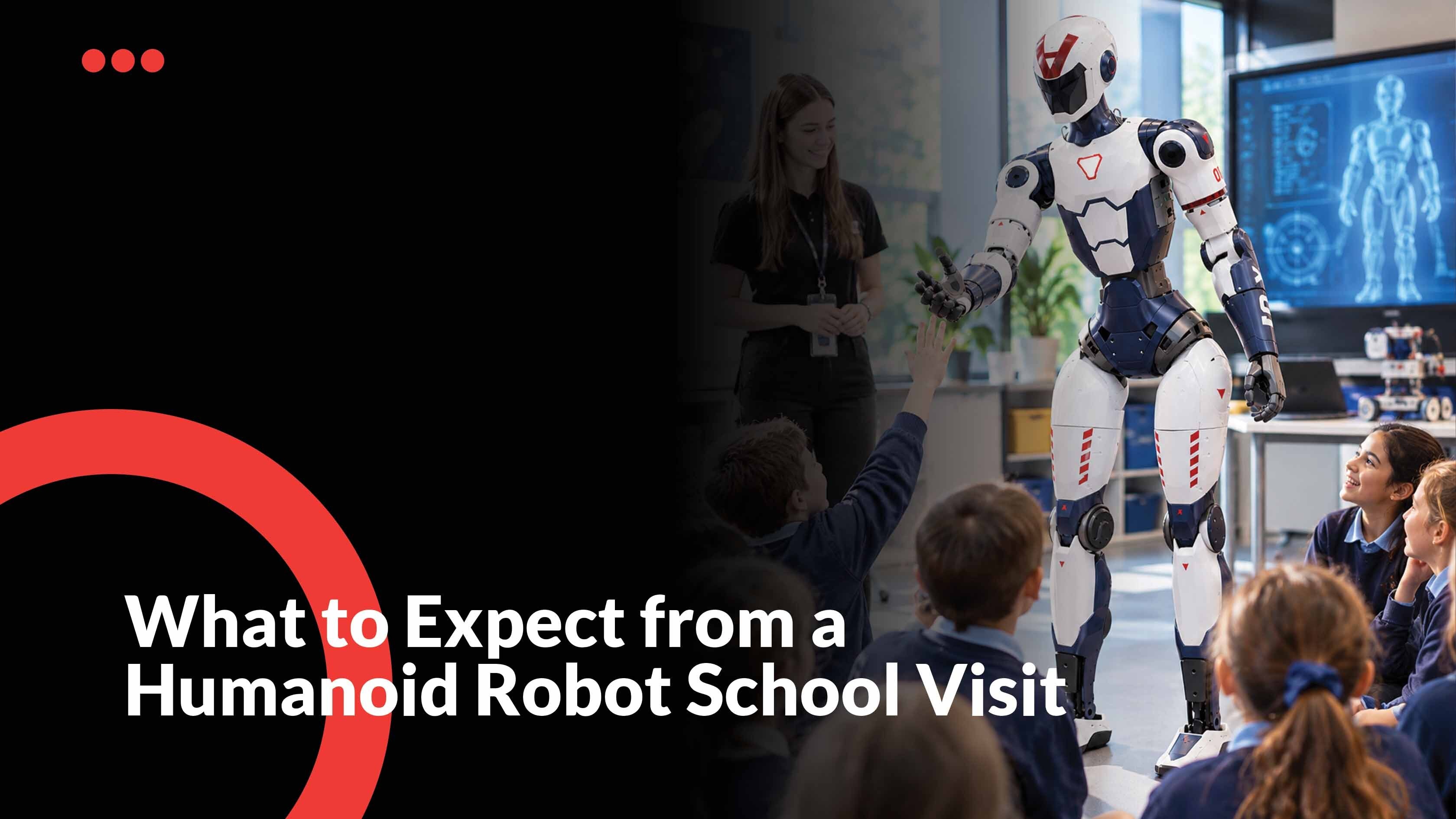
Teachers often struggle to keep students engaged with dry coding lessons. Educational robots solve this problem instantly. A physical robot moving around the room grabs attention immediately. Students naturally want to know how it works. They start asking questions about mechanics, sensors, and programming. A school robotics program benefits greatly from live demonstrations. When kids see a robot balance itself, physics makes absolute sense. A humanoid robot school visit brings interactive AI hardware directly into Australian classrooms, allowing students to observe real-time bipedal locomotion, sensor navigation, and machine learning concepts in action.
Key Features of Modern humanoid robot Australia Demonstrations
Technology moves fast across the globe. Schools can now access highly capable robots for demonstrations. Brands like Unitree and EngineAI lead this space. These machines bring commercial-grade AI into the educational environment.
Below is what modern robots can typically do:
-
Real-time Interaction: The robot responds to voice commands and gestures.
-
Dynamic Movement: Students observe walking, balancing, and object handling.
-
Sensor Mapping: Robots use LiDAR to navigate the classroom environment accurately.
The options available for a humanoid robot Australia demonstration are highly advanced. Models like the Unitree R1 offer great capabilities.
Enhancing STEM Activities for Students with Live AI
Textbooks simply cannot match the impact of live AI demonstrations. You create a lasting impression by adding robots to STEM activities for students. These visits show children exactly what a career in technology looks like. They realise that engineering involves creativity and problem-solving.
Instructors explain how the robot processes information during a typical session. Students learn about artificial intelligence in a highly practical way. This real-world application makes a humanoid robot school event incredibly valuable.
How Robotics for Schools Drives Future Success
The demand for technology skills continues to grow rapidly. Early exposure to AI helps children prepare for this future. You provide this essential foundation with robotics for schools.
Schools that invest in these experiences give their students a distinct advantage. E-Ozzie provides top-tier platforms like the Unitree R1 and EngineAI PM01.
Below is how interactive incursions drive long-term student success:
-
Direct Tech Exposure: Bridges the gap between abstract software concepts and physical machinery.
-
Research-Grade Hardware: Gives students direct access to modern platforms used by industry developers.
-
Career Inspiration: Opens clear pathways into engineering, artificial intelligence, and software design.
Local educators can visit E-Ozzie showrooms in Altona (VIC), St Peters (NSW), and Mount Lawley (WA) to see these platforms operate in person before organising a school event.
Step-by-Step Incursion Schedule
A standard 60 to 90-minute school incursion follows a structured format to keep students focused.
-
Introduction and Setup (10 Minutes): Facilitators introduce the robot, explain basic safety rules, and start the system.
-
Live Demonstration (20 Minutes): The robot walks, balances, and navigates obstacles using onboard LiDAR sensors.
-
Interactive Q&A Session (15 Minutes): Students ask questions about sensors, motors, and programming logic.
-
Hands-On Coding Workshop (30 Minutes): Students write basic logic commands on tablets to alter robot responses.
-
Debrief and Curriculum Link (10 Minutes): Teachers review key takeaways and connect the session to upcoming science topics.
Popular Educational Robot Models: A Comparison
You need careful thought to select the right robot for educational purposes. E-Ozzie offers several models suitable for learning environments. Here is a quick comparison of popular options.
|
Robot Model |
Best Used For |
Key Technical Specifications |
Primary Educational Advantage |
|
Unitree R1 |
Classroom demonstrations |
26 DoF, 121cm height, ~29kg weight, binocular vision |
Compact frame, highly approachable for primary students |
|
Unitree G1 |
Advanced research |
3D LiDAR, depth camera, 132cm foldable frame |
Folds down easily for transport between classrooms |
|
ENGINEAI PM01 |
AI development |
140cm height, onboard AI processing, ROS/ROS 2 |
Allows advanced students to explore real ROS 2 coding |
This table highlights the differences between popular educational units.
Safety and Logistics Checklist for Schools
School administrators must verify logistical details before hosting an incursion.
-
Clear a 4 m x 4 m indoor flat area for safe robot movement.
-
Make available stable Wi-Fi access for local tablet-to-robot communication.
-
Establish a 1.5 m safety boundary between students and the operating area.
-
Verify that power outlets are nearby for battery charging stations.
-
Confirm that facilitators hold current Working with Children Checks (WWCC).
Plan Your School Robotics Program Event
An incursion requires clear goals and proper scheduling. You must decide what the students should learn during the session. A successful school robotics program aligns with your current syllabus.
Follow these steps to structure your upcoming event:
-
Define Learning Outcomes: Choose whether to focus on basic logic, sensor physics, or advanced AI programming.
-
Align with Syllabus: Match the incursion content directly to your current Digital Technologies curriculum modules.
-
Brief Facilitators: Communicate your goals clearly to the event facilitators beforehand. They can then highlight the most relevant educational robots features.
Make the Most of Robotics Education
Teachers should prepare their classes before the robot arrives. Proper preparation and follow-up activities make robotics education highly interactive. Link a humanoid robot school demonstration to ongoing lessons to turn a fun afternoon into a lasting educational milestone.
Before the Visit:
-
Introduce basic sensor and algorithm concepts a week before to set context.
-
Have students prepare specific questions about mechanics and AI logic for the facilitators.
After the Visit:
-
Assign tablet-based coding projects using simple visual block commands.
-
Link robot movement examples directly to your physics and mathematics coursework.
The Future of Learning with AI
Technology changes the way we approach classroom instruction every year. You keep your curriculum highly relevant by adopting robotics for schools. Students gain confidence when they interact with advanced machinery early on. They stop seeing AI as magic and start understanding the science.
High-quality STEM activities for students build a strong technical foundation. E-Ozzie provides the exact hardware needed to make this happen across Australia. These robots inspire the next generation of engineers and developers.
Frequently Asked Questions
What is the main benefit of a humanoid robot school visit?
A humanoid robot school visit provides engaging, hands-on learning that connects abstract programming to real-world mechanical movement. Students get to see complex engineering concepts applied in real life. This interaction sparks curiosity about science and technology. It makes abstract coding lessons physical and easy to understand. The experience often inspires students to pursue technical subjects later in their academic journey.
Are these robots safe for young students to interact with?
Yes, commercial educational robots are safe when operated within designated safety zones under trained facilitator supervision. Facilitators always maintain strict control over the machines during presentations. Models like the Unitree R1 have built-in balance and collision avoidance systems. Instructors set clear physical boundaries before the demonstration begins. Safety protocols always remain the top priority during these school events.
How do these technologies fit into the Australian curriculum?
Humanoid incursions directly support the Australian Digital Technologies curriculum by illustrating algorithmic thinking, sensor data collection, and hardware control systems. They support practical learning in coding, system design, and algorithmic thinking. Teachers use the demonstrations to explain how digital systems process data. The visual nature of the robots helps explain complex physical sciences. These events tick multiple curriculum boxes across both subjects.
What age group benefits most from these demonstrations?
Primary and secondary students benefit equally, as demonstrations can shift from basic movement observation to complex code analysis. Younger students focus on basic cause and effect and simple voice commands. Middle schoolers learn about sensors, balance, and logic structures. High school students can study the actual programming languages like ROS 2. Every age group finds the technology highly engaging and educational.
How can teachers prepare their class for the event?
Teachers can prepare by introducing basic sensor concepts and collecting student questions prior to the scheduled incursion date. Teachers should introduce basic robotics concepts a week prior. Short videos of similar robots help set correct expectations. You can ask students to write down specific questions to encourage participation. Discussions about how sensors work give students helpful background knowledge. This preparation helps the class absorb more information during the visit.


Leave a comment